Liberty Lock Toronto Locksmith Service Team
Local locksmith team
Aug 25, 2026 10 min read
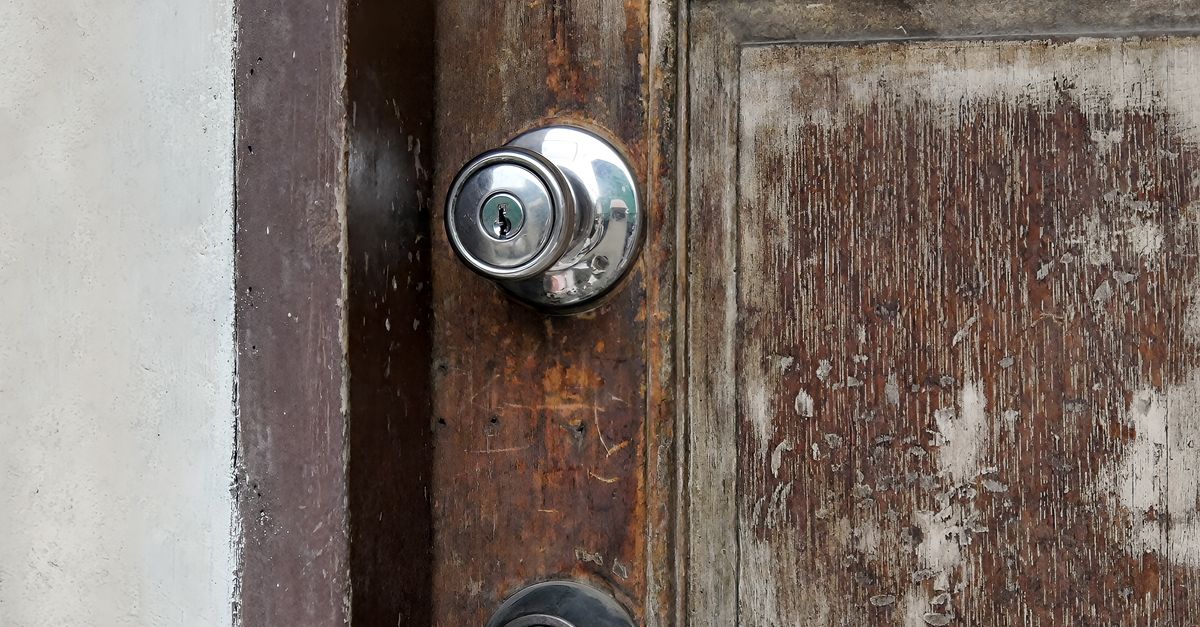
A door knob lock that suddenly sticks, spins uselessly, or refuses to turn is more than an inconvenience — it can leave you locked out of your own home on a January night in Toronto, or trap you inside a room with no way to call for help. Whether the problem showed up gradually or hit you all at once, there are a few things you can check before assuming the worst.
This guide walks you through the most common reasons a knob lock fails, what you can safely try yourself, and the situations where calling an experienced locksmith is genuinely the smarter — and safer — move. If you are in the Toronto area and need help right now, Liberty Lock Toronto Locksmith is available around the clock at 437-367-0836.
## Why Your Door Knob Lock Sticks: The Most Common Culprits
A sticking or seized door knob lock almost always comes down to one of four root causes. The first is lubrication failure — over time, the factory grease inside a knob lock dries out, especially in homes that see wide seasonal temperature swings like those Toronto winters bring on Danforth Avenue or out in Etobicoke. Without lubrication, the internal pins and plug drag against each other every time you insert a key, until one day the cylinder barely moves at all. The second cause is a misaligned door: when a door sags on its hinges or swells from humidity, the latch bolt no longer lines up cleanly with the strike plate, putting mechanical stress on the knob mechanism itself. The third is a worn or damaged key — a key that has been copied too many times or bent slightly will bind inside the cylinder rather than lifting the pins to the correct height. The fourth, and most serious, is internal component failure, where the cam, tailpiece, or retaining clip inside the lock body has broken.
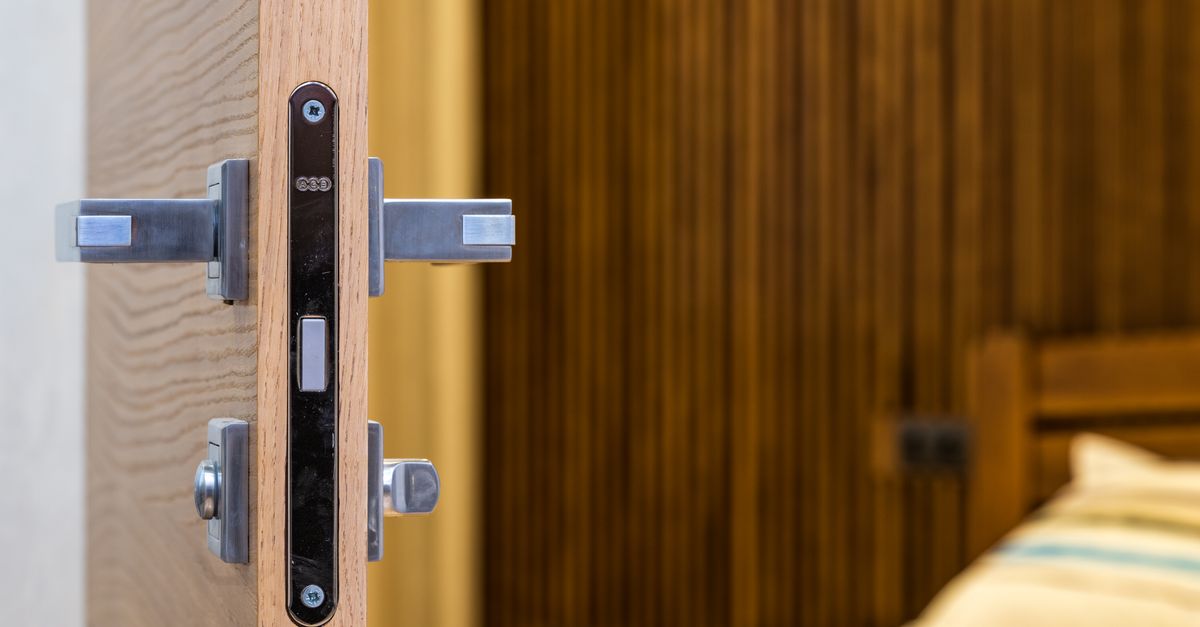
A mortise lock — the rectangular lock body mortised directly into the edge of a door — works on different internal mechanics than a simple knob lock, and a seized mortise lock almost always signals internal component failure rather than just dried lubrication. If your door uses a mortise lock and it has stopped turning, that is a job for a trained locksmith rather than a DIY fix, since disassembling a mortise body without the right tools can damage the door edge beyond a simple repair.
## Safe Things to Try Before Calling a Locksmith for a Stuck Door Knob Lock
Before reaching out for help, there are a few legitimate steps worth trying. Start with dry graphite lubricant — available at most Toronto hardware stores — not WD-40, which attracts dust and makes cylinder problems worse over time. Insert the nozzle into the keyway, give it a short burst, then insert your key and work it in and out gently about a dozen times while applying light turning pressure. If the knob lock was simply dry, this often restores smooth operation within minutes. Next, check the door alignment: open the door fully and watch whether the latch bolt lines up with the centre of the strike plate hole. If it is visibly high, low, or offset, the door hinges may need tightening or shimming — a quick fix with a screwdriver that can eliminate the binding entirely. Finally, inspect your key under good light. Look for any bends, worn-down peaks between cuts, or cracks near the bow. If the key looks tired, a fresh cut from the original may be all that is needed.
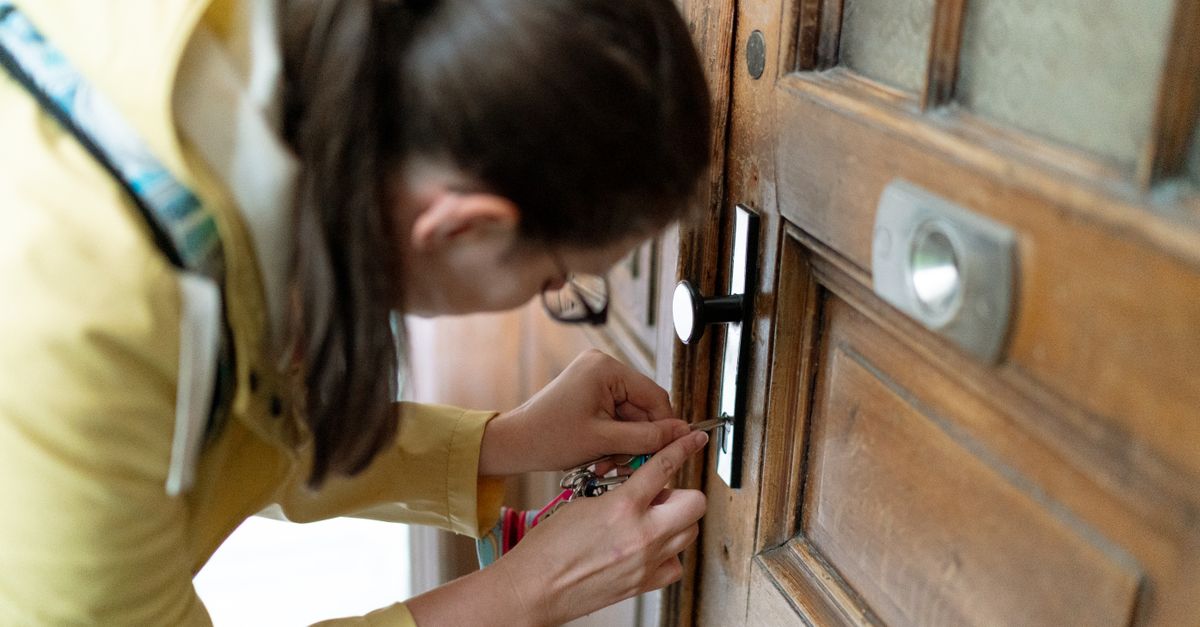
One thing to be clear about: this guide will not walk you through picking techniques or bypass methods for a door knob with lock. Beyond the legal and ethical issues, improvised picking attempts on a worn cylinder often damage the internal pins permanently, turning a fixable problem into a full lock replacement. If you are locked out, check for a spare key with a trusted neighbour, see whether a back door or window is legitimately accessible to you, and if none of those options apply, call a professional. A trained locksmith can open the door without destroying the hardware in the vast majority of situations.
## When the Door Knob Lock Needs to Be Replaced — Not Just Fixed
Some door knob problems are repair jobs; others are replacement jobs. Knowing the difference saves time and money. Replace rather than repair when: the knob spins freely all the way around without catching, which means the internal cam or tailpiece has sheared; the cylinder has visible cracks or the face is pushed inward (a sign the lock was attacked); the key turns but the latch does not move, indicating the cam-to-latch connection is broken; or the lock is more than 10–15 years old and has been sticking repeatedly despite lubrication. In multi-unit Toronto apartment buildings and older semi-detached homes — many of which still have the original hardware from the 1970s and 80s — worn knob locks are extremely common and a genuine security liability.
If you are replacing a door knob with lock and key, it is worth considering whether a knob lock alone is the right choice for an exterior door. Most security professionals recommend pairing a knob lock with a deadbolt above it, since knob locks on their own can be defeated by shimming the latch. For interior applications — a door knob with lock for a bedroom or bathroom — a privacy knob lock is perfectly appropriate and does not require the same level of cylinder strength as an exterior lock. When choosing new hardware, brands like Schlage and Kwikset both offer solid residential-grade cylinders; the key is matching the grade rating to the location and risk level of the door.
## Emergency Locksmith Toronto: When to Call Right Now
There are situations where troubleshooting is simply not the right first step. If you are locked out of your home after midnight in February, if a broken key is stuck inside the cylinder, if the lock appears to have been tampered with or forced, or if a family member is trapped inside a room because an interior knob lock has jammed — those are emergency locksmith situations, not DIY moments. Liberty Lock Toronto Locksmith operates as a fully mobile, 24/7 emergency locksmith service across Toronto and the surrounding area, meaning a trained technician comes to you regardless of the hour or the neighbourhood. We carry a wide range of replacement hardware on the vehicle so that in most cases a stuck or failed lock can be diagnosed, repaired, or replaced in a single visit.
Pricing for emergency locksmith work depends on several factors: the type and grade of lock involved, whether parts need to be sourced or are on the vehicle, the time of day, and travel distance to your location. We always confirm an exact price with you before any work begins — no surprises on the invoice. If you need help right now, call 437-367-0836 and we will dispatch a technician to you immediately.
## Commercial Locksmith Services and Mortise Lock Repairs in Toronto
Businesses face a different set of lock challenges. A commercial door knob lock in a retail unit on Queen Street West or a mortise lock on a King Street office entrance takes far more daily cycling than a residential lock — often hundreds of turns per day — which accelerates wear on every internal component. Commercial-grade mortise locks also have more moving parts than standard knob locks: a case body, a hub, a spindle, springs, and in many cases an integrated deadbolt or night latch, all packed into a single housing mortised into the door. When a commercial mortise lock fails, the building's security and accessibility can be compromised immediately.
Liberty Lock Toronto Locksmith provides commercial locksmith services for businesses of all sizes, including mortise lock repair and replacement, master key system setup, high-security cylinder upgrades, access control integration, and emergency lockout response for commercial properties. Our technicians are experienced with the full range of commercial hardware grades and door types, including steel-frame commercial doors that require specific prep and backset measurements. If a mortise lock is causing problems at your business, getting it looked at quickly — rather than working around a stiff or intermittently failing lock — is always the right call. Reach out to us at 437-367-0836 any time, day or night.
## Our Locksmith Services at a Glance
Liberty Lock Toronto Locksmith handles a wide range of residential, commercial, and automotive needs across the Toronto area, including: residential lockout service, commercial lockout service, mortise lock repair, mortise lock replacement, door knob lock repair, door knob lock replacement, deadbolt installation, deadbolt repair, high-security cylinder upgrades, master key system design and installation, rekeying residential locks, rekeying commercial locks, broken key extraction, lock-picking damage repair, smart lock installation, keypad lock installation, access control system installation, panic bar and exit device service, mailbox lock replacement, garage door lock repair, car lockout service, automotive key programming, transponder key cutting, ignition lock repair, safe opening and combination changes, lock-grade security assessments, and after-hours emergency locksmith dispatch throughout Toronto and surrounding communities.
Every service call begins with a clear diagnosis and a confirmed up-front price before any work is performed. We carry residential and commercial hardware on the vehicle so most jobs are completed in a single visit.
Frequently asked questions
How do I know if my door knob lock needs to be repaired or fully replaced?+
If the lock sticks but the key still turns and the latch moves correctly, lubrication or a door alignment adjustment may be all that is needed. If the knob spins freely without catching, the key turns but nothing moves, or the cylinder is visibly cracked or damaged, those are signs the internal mechanism has failed and replacement is the right call. A trained locksmith can diagnose which situation you are facing in a few minutes — and if you are unsure, it is always better to have it checked than to risk a lock that fails completely at the wrong moment.
Can I pick a door knob lock if I am locked out of my own home?+
We understand the frustration of a lockout, but we do not provide picking instructions here — not because of any doubt about your intentions, but because amateur picking attempts on a worn or sticking cylinder very frequently damage the internal pins, turning a repairable lock into one that must be replaced entirely. The safest and most cost-effective path when you are locked out is to check for a spare key, try another legitimate entry point, and then call a professional locksmith if neither option is available. A qualified locksmith has the proper tools to open most knob locks without damaging the hardware, and they can do it far faster than most DIY attempts.
What factors affect the cost of a locksmith call in Toronto?+
Several things go into the final price: the type of lock involved (a standard knob lock costs less to service than a commercial-grade mortise lock), whether replacement parts are needed and which specific hardware is required, the time of day (late-night and weekend calls involve different logistics), and the distance a technician needs to travel to your location. At Liberty Lock Toronto Locksmith, we always give you an exact confirmed price before any work begins, so you know exactly what to expect. Call 437-367-0836 to describe your situation and we can walk you through what to expect.
Is a door knob with lock enough security for an exterior door?+
A knob lock on its own is generally not considered sufficient for an exterior entry door. The latch bolt on most knob locks can be shimmed or pushed back without turning the knob, which makes it relatively easy to defeat. For exterior doors, the industry standard is a knob lock or lever handle paired with a separate Grade 1 or Grade 2 deadbolt above it. For interior applications — a bedroom, bathroom, or home office — a privacy knob lock is perfectly adequate. If you are unsure whether your current door hardware meets a reasonable security standard, our team can do a quick assessment and recommend the right combination of locks for each door in your home.