Liberty Lock Toronto Locksmith Service Team
Local locksmith team
Sep 22, 2026 11 min read
If your Toronto home was built before the 1970s — whether it's a semi-detached in the Annex, a Victorian rowhouse near Cabbagetown, or a detached brick home in Roncesvalles — there's a good chance your front door already has a mortise lock hiding inside it. That beefy rectangular pocket cut into the edge of the door is a signature of older Toronto construction, and it raises a question homeowners ask us regularly: should I keep what I have, upgrade it, or switch to a modern cylinder lock entirely?
This guide breaks down exactly how each lock type works, where each one excels, and which makes the most practical sense for the doors, frames, and security needs common in Toronto's older housing stock. Whether you're dealing with a worn-out lock after decades of hard winters or you're renovating and want to make a smart long-term choice, the answer depends on more than just price — it depends on your door, your frame, and how you actually use your home.
## What Is a Mortise Lock — and Why Are They Everywhere in Older Toronto Homes?
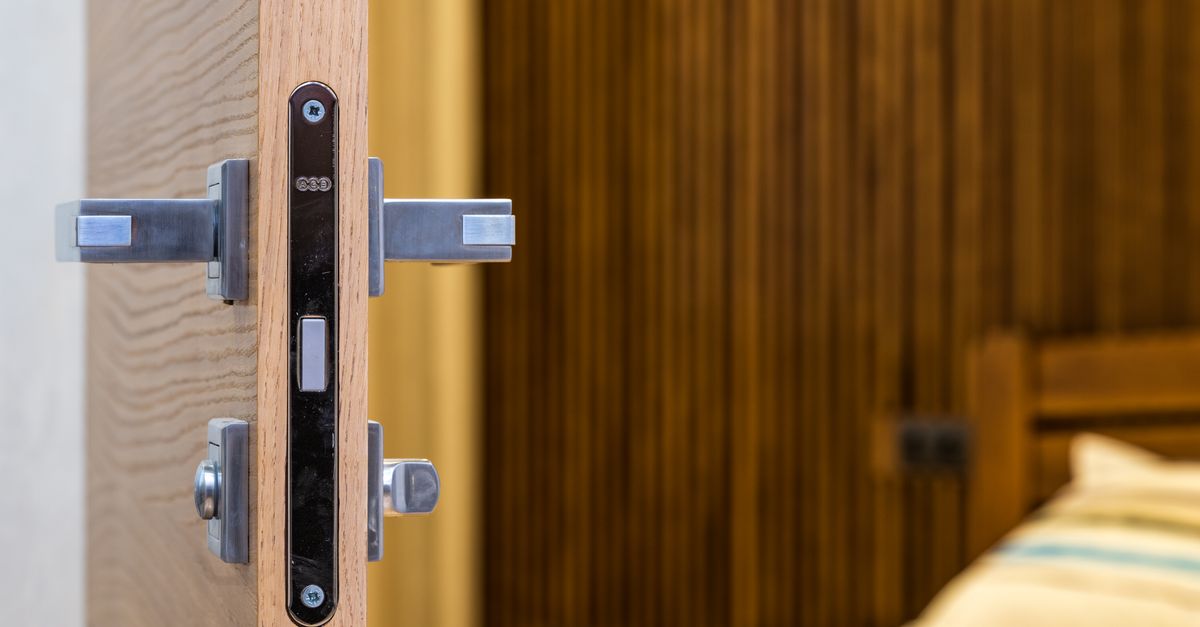
A mortise lock is a complete locking mechanism housed inside a rectangular cavity (called the mortise) that is chiseled directly into the door's edge. Unlike a bored cylindrical lock — which sits in a round hole drilled through the face of the door — a mortise lock set integrates multiple functions into one body: a deadbolt, a latch, sometimes a privacy lever or keyed entry on both sides, all moving through a single faceplate. That all-in-one design is part of why builders in Toronto's early 20th-century housing boom loved them. They're robust, they distribute stress across a wider area of the door stile, and they were simply the industry standard for decades.
Where you'll typically find them today: solid wood doors with thick stiles (the vertical edge boards), older multi-family homes that were converted to single-family use, and heritage properties where the original hardware was never swapped out. Brands like Baldwin mortise lock sets and Corbin Russwin mortise lock hardware were extremely common in commercial and higher-end residential builds across Ontario, and many of those units are still functioning — or nearly functioning — today. The core problem isn't usually the lock body itself; it's the worn mortise lock cylinder (the removable plug that reads your key) or cracked internal cam levers from fifty years of use.
## Cylinder Locks: The Modern Alternative Explained
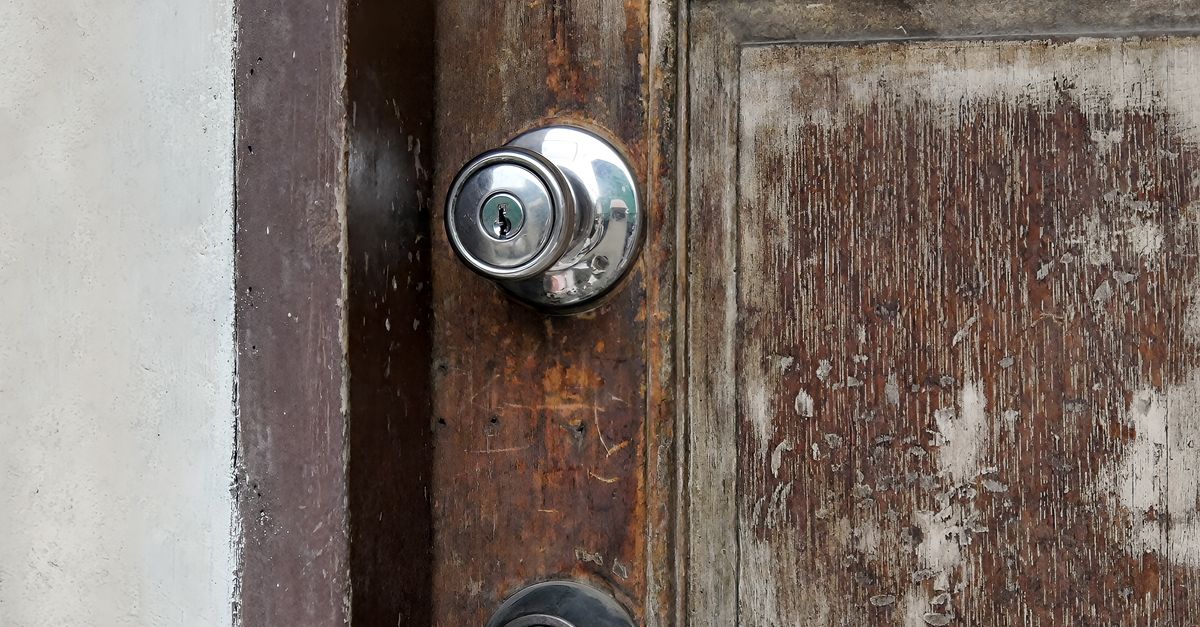
A cylinder lock — sometimes called a cylindrical or tubular lock — is what most people picture when they think of a contemporary door knob lock or lever set. Two round holes are bored into the door face and edge, and the mechanism (latch, deadbolt, and cylinder) is assembled into those holes from the face of the door. Installation is faster, replacement parts are universally available, and you have a huge range of brands, finishes, and smart-lock integrations to choose from. For new construction or recently renovated doors, the cylindrical format is the default.
There's also the rim cylinder lock, which is worth understanding separately. A rim cylinder mounts to the surface of the door (rather than inside it) and operates a rim latch or rim deadbolt bolted to the interior face — common on older Toronto back doors, garage side entries, and some basement walk-outs. Rim setups are simple, inexpensive to replace, and still used in light-duty applications, but they offer less resistance to forced entry than a properly installed mortise or modern cylindrical deadbolt. If you have a rim cylinder lock on a primary entry point, that's usually the first thing a professional locksmith recommends upgrading.
## Mortise Lock vs. Cylinder Lock: Head-to-Head for Older Toronto Doors
The single biggest factor in this decision is your existing door. Older Toronto doors — especially solid-wood originals — were built with wide stiles specifically to accommodate a mortise lock set. If you remove the mortise hardware and try to retrofit a standard cylindrical lock, you may find the bore placement conflicts with the existing mortise pocket, the stile is too narrow in certain spots, or the door edge needs significant patching and refinishing before a new lockset will sit flush. In many cases, keeping and upgrading the mortise hardware is structurally cleaner and preserves the door's integrity.
On the other hand, if your door has already been replaced at some point with a modern pre-hung steel or fibreglass door (very common in Toronto renovations from the 1980s through 2000s), there likely isn't a mortise pocket at all — it was factory-bored for a cylindrical lock, and that's what should go back in. Forcing a mortise installation into a door that wasn't built for it means significant door modification and usually isn't worth the effort. The right call depends on the door you actually have, which is why a quick on-site assessment by an experienced locksmith saves homeowners from making a costly mistake. If you're unsure which situation applies to your door, call us at 437-367-0836 and we can walk you through it or come take a look — we're available around the clock.
## Upgrading Your Mortise Lock: When to Repair, Re-Cylinder, or Replace
Not all mortise lock problems require a full replacement. Here are the three most common scenarios our team handles in older Toronto homes, and what typically makes sense in each one. First: the key is getting harder to turn, or the latch no longer retracts smoothly. This is usually a worn mortise lock cylinder or dried-out internal mechanism — a re-key or cylinder swap is often all that's needed, and it restores full function without touching the door. Second: the door isn't latching properly, or the bolt isn't throwing far enough to engage the strike plate. This points to a misaligned strike, a sagging door, or a worn cam inside the lock body — all repairable without replacing the entire mortise lock set. Third: the lock body itself is cracked, corroded, or so worn that parts are unavailable. Here, a full mortise lock replacement makes sense. Quality replacement options from brands like Baldwin mortise lock sets or Corbin Russwin mortise lock hardware offer modern security ratings while maintaining the same door-pocket footprint, so you're not altering the door at all.
One scenario that comes up often in Toronto's older semi-detached and detached homes is the secondary suite or converted rental unit. Landlords frequently need to re-key multiple locks when tenants change, or upgrade a worn exterior mortise lock set to meet insurance requirements. Our team handles both residential re-keys and more involved mortise lock set exterior door replacements regularly across the city, and we carry common replacement parts and cylinders on our service vehicles so most jobs are completed in a single visit. As a commercial locksmith service as well, we also handle the same work for small businesses, multi-unit residential buildings, and office suites throughout the Toronto area.
## Practical Advice: Which Lock Should You Choose?
Here's a straightforward framework. If your door is original to the home and solid wood, preserve the mortise format — upgrade the cylinder, replace worn internal parts, and invest in a high-security cylinder with anti-pick, anti-drill pins. If your door has been replaced and is bored for a cylindrical lock, go with a quality cylindrical deadbolt and lever set — there's no benefit to forcing a mortise conversion. If you have a rim cylinder lock on any primary entry, prioritize replacing it with a proper deadbolt installation, either mortise or cylindrical depending on the door. And if you're dealing with a door that has no functioning lock at all — a lockout situation, a break-in, or a door that won't close — that's when you need an emergency locksmith, not a hardware store run.
A few other things worth knowing before you buy any hardware yourself: mortise lock sets are not universal. The backset (distance from the door edge to the cylinder center), the case dimensions, and the hub size all vary between manufacturers and eras of production. Buying a replacement unit without confirming these measurements often results in a lock that physically won't fit your door pocket. A skilled locksmith will measure your existing cavity, identify the correct replacement, and install it to manufacturer specifications — including proper strike plate reinforcement, which is one of the most overlooked parts of a secure door. The lock is only as strong as the frame it bolts into, and Toronto's older wood frames sometimes need a bit of attention there too. When you're ready to move forward — whether it's a straightforward re-cylinder or a full mortise lock replacement on an exterior door — call Liberty Lock Toronto at 437-367-0836. We're a 24/7 mobile locksmith serving the Toronto area, and we'll confirm an exact price up front before any work begins. The quote factors in the lock type, the scope of the job, travel to your location, and any parts needed — no surprises.
## Our Locksmith Services for Toronto Homeowners and Beyond
Liberty Lock Toronto is a fully mobile, 24/7 locksmith service covering the Toronto area. Here is a specific look at what our team handles: residential lockout service, commercial lockout service, mortise lock installation, mortise lock cylinder replacement, mortise lock re-keying, cylindrical deadbolt installation, rim cylinder lock replacement, door knob lock replacement, lever handle lock installation, high-security cylinder upgrades, master key system setup for rental properties, lock rekeying (single door or whole-home), smart lock installation and programming, keypad lock installation, emergency locksmith response after break-ins, door frame and strike plate reinforcement, mailbox lock replacement, storage unit lock replacement, padlock installation, garage side-door lock upgrade, basement door lock installation, multi-unit residential rekeying, commercial deadbolt installation, access control consultation for small businesses, safe opening and combination changes, car lockout service, transponder key cutting and programming, car key replacement, ignition lock cylinder service, and duplicate key cutting. Whether it's a worn-out mortise lock set on a century-old Annex front door or a broken car lock on the DVP at 2 a.m., we come to you — fully equipped and ready to work.
Frequently asked questions
What is a mortise lock and how is it different from a regular door knob lock?+
A mortise lock is a locking mechanism installed inside a rectangular pocket (the mortise) cut into the edge of the door, rather than in two round holes drilled through the door face. It integrates the latch, deadbolt, and keyed cylinder into a single housing, which makes it mechanically more complex and — when properly maintained — very strong. A standard door knob lock or lever set uses a bored cylindrical format: round holes through the door face and edge, with separate components. Mortise locks are common in Toronto homes built before the 1970s; cylindrical locks dominate newer construction and replacement doors.
Can I replace just the cylinder in my old mortise lock, or do I need to replace the whole unit?+
In many cases, replacing just the mortise lock cylinder is all that's needed. The cylinder is the removable plug that reads your key — it can be swapped out without disturbing the lock body in the door. This is a common and cost-effective fix when keys are getting hard to turn, you've lost a key and want to prevent unauthorized entry, or you're moving into a home and want fresh keys. A full replacement of the mortise lock set is only necessary when the internal mechanism is damaged, heavily corroded, or so worn that parts are no longer available. A professional locksmith can assess which repair path applies to your specific lock during the service visit.
Is a mortise lock more secure than a cylindrical deadbolt for an older Toronto home?+
Both can be very secure when correctly installed and paired with a reinforced strike plate and solid door frame. A quality mortise lock set has an advantage on older solid-wood doors because it was designed for that door format — the mechanism is housed deep inside the door stile, spreading load across a wider area. A cylindrical deadbolt is equally strong in doors bored for that format, provided the deadbolt has at least a one-inch throw and the strike plate is anchored with long screws into the door frame stud. The weak point in most Toronto door setups — regardless of lock type — is the strike plate and frame, not the lock itself. Any lock upgrade should include an assessment of the frame condition.
What factors affect the cost of a mortise lock replacement or re-key in Toronto?+
Several things determine the final price: the specific lock type and brand needed (a standard cylinder re-key involves less labour and fewer parts than a full mortise lock set replacement), the condition of the existing door pocket and whether any remediation is required, the time of day (after-hours and emergency calls may involve different rates), and travel distance to your location within the Toronto area. We confirm an exact up-front price before any work begins, so you know the full cost before we start — no surprises after the job is done. To get a clear quote for your specific situation, call us at 437-367-0836 and we'll give you a straightforward answer.