
When you're locked out of your home, car, or business, or need to upgrade your security system, finding a trustworthy professional locksmith becomes a critical priority. Unfortunately, not all locksmiths operate with the same level of professionalism, expertise, or integrity. The locksmith industry, while filled with honest professionals, also has its share of unscrupulous operators who may overcharge, provide substandard work, or even compromise your security. Understanding what separates a reputable locksmith from an unreliable one can save you money, time, and potential security risks. Whether you're facing an emergency lockout situation or planning a security upgrade for your Toronto property, knowing what to look for in a professional locksmith ensures you receive quality service at fair prices while maintaining the highest standards of security for your home or business.
Essential Credentials and Licensing to Verify
Before hiring any locksmith, verifying their credentials should be your first priority. In Ontario, professional locksmiths should carry proper business licensing and insurance coverage to protect both themselves and their clients. A legitimate locksmith will have no problem providing proof of their credentials and will actually expect informed customers to ask for this information.
Start by confirming the locksmith has a valid business license to operate in Toronto. This demonstrates they've met municipal requirements and are operating legally within the city. Additionally, professional locksmiths should carry liability insurance and workers' compensation coverage. This insurance protects you from liability if the technician is injured on your property or accidentally damages your property during service.
Membership in professional organizations is another strong indicator of credibility. Reputable locksmiths often belong to associations that require adherence to ethical standards and continuing education. These memberships demonstrate a commitment to staying current with industry developments and maintaining professional standards.
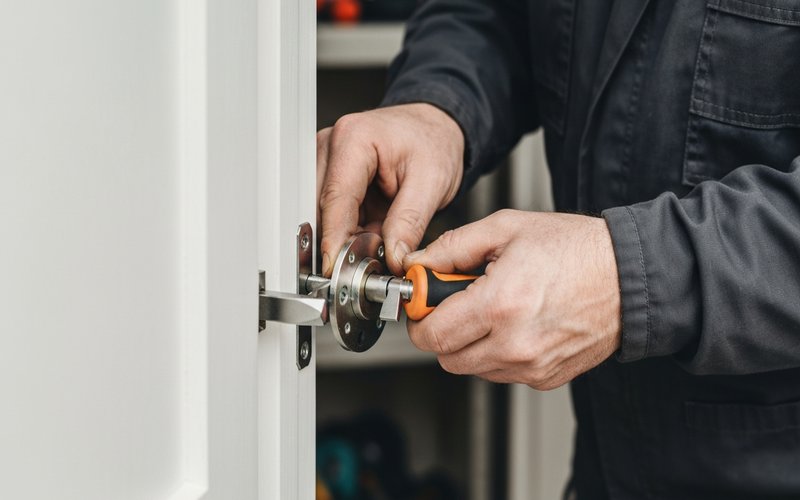
Always ask to see identification when the locksmith arrives at your location. A professional will carry proper ID that matches the company name and will be driving a clearly marked vehicle with company branding. If someone arrives in an unmarked vehicle or refuses to provide identification, consider this a major red flag and do not proceed with the service.
Experience and Specialization Matter
The locksmith industry encompasses a wide range of services, from residential lockouts to complex commercial security systems and automotive key programming. Understanding a locksmith's specific areas of expertise ensures you're hiring someone qualified for your particular needs.
When evaluating potential locksmiths, inquire about their years of experience in the industry and specifically with the type of service you require. A locksmith with ten years of residential experience may not be the best choice for installing a sophisticated commercial access control system. Similarly, automotive locksmith work requires different tools and knowledge than residential services.
Ask about the types of locks and security systems they regularly work with. Modern security involves electronic locks, smart home integration, high-security cylinders, and advanced key systems. A professional locksmith should be knowledgeable about both traditional mechanical locks and contemporary electronic security solutions.
Experience with emergency situations is particularly valuable. Locksmiths who regularly handle emergency lockouts develop problem-solving skills and efficiency that come only with repeated exposure to diverse scenarios. They can quickly assess situations, determine the most appropriate solution, and execute repairs or entry without unnecessary damage to your property.
Questions to Ask Before Hiring
Communication with a potential locksmith before they arrive provides valuable insight into their professionalism and transparency. The questions you ask and how they're answered can reveal whether you're dealing with a reputable professional or someone to avoid.
Start by asking for a detailed estimate over the phone. While it's true that some situations require on-site assessment for accurate pricing, a professional can provide a reasonable price range based on your description of the problem. Be specific about your situation—the type of lock, whether you have keys, and what service you need—and ask for an estimate that includes all potential charges.
Inquire about their response time, especially for emergency services. Reliable locksmiths should provide realistic timeframes rather than making promises they can't keep. If they claim they can arrive in an impossibly short time or are vague about timing, this may indicate dishonesty.
Ask what forms of payment they accept. Professional locksmiths typically accept multiple payment methods including credit cards, not just cash. Be wary of locksmiths who insist on cash-only payments, as this lack of payment trail can be a warning sign.
Question their policy on charges if they cannot complete the job or if you decide not to proceed with their services. Understanding any service call fees or minimum charges upfront prevents disputes later. Reputable locksmiths will clearly explain their fee structure without hesitation.
Find out if they guarantee their work. Professional locksmiths stand behind their services with warranties on both labor and parts. Ask specifically about warranty terms and what circumstances might void the guarantee.
Understanding Fair Pricing and Avoiding Scams
Locksmith scams have become increasingly sophisticated, often involving deceptive advertising and pricing tactics designed to lure customers with low initial quotes that balloon into excessive charges. Understanding fair pricing practices helps you identify and avoid these fraudulent operators.
Legitimate locksmiths provide transparent pricing with clear explanations of all charges. They should itemize costs for labor, parts, emergency service fees (if applicable), and any other expenses before beginning work. If a locksmith arrives and suddenly claims the job is much more complex than initially described, demanding payment significantly higher than the estimate, this is a classic scam tactic.
Hourly rates for locksmith services in Toronto typically range from $75 to $150 depending on the complexity of the work and time of service. Emergency after-hours service generally costs more than standard business hours appointments. While these rates provide a general guideline, the total cost depends on your specific situation, the type of lock or security system involved, and whether parts need replacement.
Be particularly cautious of advertisements showing extremely low prices like "$15 locksmith service" or similar unrealistic offers. These are almost always scam operations that use bait-and-switch tactics. They lure customers with impossibly low advertised prices, then claim additional charges are necessary once they arrive, often intimidating customers into paying inflated amounts.
Professional locksmiths typically charge service call fees for coming to your location, then additional charges for the actual work performed. This is standard industry practice. However, they should clearly communicate these fees before dispatching a technician.
Local Presence and Reputation Research
A locksmith's local presence and reputation within the community provide valuable indicators of their reliability and quality of service. Companies with established Toronto locations and longstanding community ties have reputations to protect and are more likely to provide honest, quality service.
When researching locksmiths, verify they have a physical business address in Toronto rather than just a phone number or P.O. box. A legitimate local business location, such as the one at 65 St Mathias Pl in Toronto's west end, demonstrates commitment to the community and provides accountability. You can visit the location, and the business has invested in establishing a permanent presence.
Online reviews offer insights into other customers' experiences, but evaluate them critically. Look for patterns in reviews rather than focusing on individual comments. Multiple reviews mentioning similar issues—whether positive or negative—are more significant than isolated complaints or praise. Check reviews across multiple platforms including Google, Better Business Bureau, and social media.
Pay attention to how businesses respond to negative reviews. Professional companies address complaints constructively, attempt to resolve issues, and maintain respectful communication even with dissatisfied customers. Businesses that ignore feedback or respond defensively may lack professional customer service standards.
Ask friends, family, and neighbors for recommendations. Personal referrals from people you trust often lead to reliable service providers. Real estate agents, property managers, and building superintendents frequently work with locksmiths and can provide informed recommendations based on consistent professional interactions.
Availability and Response Time for Emergencies
Lock and key emergencies don't follow business hours. Whether you're locked out at midnight, discover a break-in attempt on a weekend, or experience a malfunctioning lock that compromises security, you need a locksmith who provides reliable emergency services.
Professional locksmiths offering true 24/7 emergency service maintain staff availability around the clock, not just an answering service that promises callbacks. When you call during an emergency, you should reach someone who can immediately dispatch a technician and provide a realistic arrival time.
Response time varies depending on the time of day, your location, and the locksmith's current workload, but professional emergency locksmiths in Toronto typically arrive within 20 to 45 minutes for urgent situations. Be skeptical of promises to arrive in unrealistically short timeframes, as these claims are often made by scam operations that have no intention of honoring their commitments.
For non-emergency services like lock installation, rekeying, or security upgrades, scheduling flexibility matters. Professional locksmiths should accommodate your schedule and provide specific appointment windows rather than vague timeframes. Respecting customers' time demonstrates professionalism and reliability.
Range of Services Offered
A full-service professional locksmith provides comprehensive solutions for various lock and security needs rather than specializing in only one or two services. While specialization has value, a locksmith offering diverse services demonstrates broader expertise and can serve as your long-term security partner.
Common locksmith services include emergency lockout assistance for homes, vehicles, and businesses. This involves gaining entry without keys while minimizing damage to locks and doors. Professional locksmiths use specialized tools and techniques that preserve your property whenever possible.
Lock installation, repair, and replacement form the core of locksmith services. This includes deadbolts, doorknob locks, padlocks, and specialized security locks. A knowledgeable locksmith can recommend appropriate lock types based on your security needs and budget.
Rekeying services allow you to maintain existing locks while changing the key that operates them. This is particularly valuable when moving into a new home, after losing keys, or when keys have been in the possession of people who should no longer have access to your property. Rekeying is typically more affordable than replacing entire lock systems.
Key duplication and creation of new keys from lock codes provide essential services for property owners and managers. Advanced locksmiths can also create high-security keys and restricted keyway systems that prevent unauthorized key duplication.
Master key system design and implementation serve commercial properties and multi-unit residential buildings. These systems provide different access levels for various personnel while maintaining administrative override capabilities.
Modern locksmiths should also offer electronic and smart lock installation, programming, and troubleshooting. As home and business security increasingly incorporates digital technology, locksmiths must evolve their skills to include these contemporary systems.
Safe services including opening, repair, combination changes, and installation represent another valuable offering. Whether you've forgotten your combination, inherited a locked safe, or need to install a new safe, professional locksmiths have the expertise and tools for these specialized tasks.
Automotive locksmith services address vehicle lockouts, key replacement, key fob programming, and ignition repair. Modern vehicles with transponder keys and sophisticated anti-theft systems require specialized equipment and training that professional automotive locksmiths possess.
Professional Appearance and Equipment
A locksmith's appearance, equipment, and vehicle provide immediate visual indicators of their professionalism and capability. These observable factors offer valuable insights when the technician arrives at your location.
Professional locksmiths arrive in clearly marked vehicles displaying company names, logos, and contact information. This branding demonstrates legitimacy and accountability. Unmarked personal vehicles raise questions about whether you're dealing with a legitimate business or an individual operating without proper credentials.
The locksmith should present a professional appearance with company uniforms or clearly identifiable clothing bearing the business name. While elaborate uniforms aren't necessary, some form of professional identification distinguishes legitimate technicians from potential scammers.
Equipment quality matters significantly in locksmith work. Professional locksmiths invest in high-quality tools and stay current with new technologies. When the technician opens their vehicle or toolbox, you should observe well-maintained, professional equipment rather than a handful of basic tools that suggest limited capability.
Modern locksmith work often requires electronic diagnostic equipment, key cutting machines, and specialized tools for different lock types. A professional locksmith's vehicle essentially serves as a mobile workshop equipped to handle diverse situations without making multiple trips for equipment or parts.
Communication and Customer Service Standards
Exceptional technical skills mean little if a locksmith lacks professional communication and customer service. How a locksmith interacts with you from first contact through service completion reveals their overall professionalism and customer focus.
From your initial phone call or online contact, professional locksmiths should be courteous, patient, and willing to answer questions. They should listen carefully to your situation, ask clarifying questions, and provide helpful information without pressuring you toward unnecessary services.
When the technician arrives, they should introduce themselves, present identification, and explain their assessment of the situation before beginning work. This communication ensures you understand what needs to be done and why, preventing surprises and building trust.
Throughout the service, professional locksmiths explain their work, particularly if they encounter unexpected complications. They should present options when multiple solutions exist, explaining the advantages and disadvantages of each approach along with associated costs.
After completing the work, a professional locksmith ensures you're satisfied, tests all locks to confirm proper operation, and provides care instructions or recommendations for maintaining your new locks or security system. They should also offer clear information about warranties and how to contact them if questions or issues arise.
Professional billing practices include providing itemized invoices that clearly show all charges. You should receive documentation of the work performed, parts used, and warranty terms. This paperwork provides important records for insurance purposes, property documentation, and warranty claims.
Security Consciousness and Ethical Practices
Locksmith work directly impacts your security, making the technician's ethical standards and security consciousness critically important. Professional locksmiths understand the trust you place in them and operate with integrity that prioritizes your safety.
Reputable locksmiths verify ownership or authorized access before providing services. They should ask for identification and proof that you have the right to access the property or vehicle in question. While this may seem inconvenient during an emergency, it's actually a sign of ethical practice that protects property owners from unauthorized entry.
Professional locksmiths maintain confidentiality about your security setup. They should never discuss your locks, keys, or security systems with others or maintain records that could compromise your security if improperly accessed. Key control practices, including how they manage key codes and cutting records, should follow industry best practices.
Ethical locksmiths recommend appropriate security solutions based on your actual needs rather than upselling unnecessary high-end products. They should perform honest assessments and suggest upgrades only when genuinely beneficial for your security situation.
A professional will never duplicate keys marked "Do Not Duplicate" or restricted keyway keys without proper authorization. They understand these markings exist for security reasons and respect the key control systems property owners have implemented.
What Locks Can Locksmiths Not Open?
While professional locksmiths have extensive training and specialized tools, certain situations present significant challenges or may be impossible to resolve without damage. Understanding these limitations helps set realistic expectations.
High-security locks designed specifically to resist picking, bumping, and other bypass techniques may require destructive entry if keys are lost. Manufacturers design these locks to withstand sophisticated attacks, which means even skilled locksmiths may need to drill or otherwise destroy the lock to gain entry. However, professional locksmiths minimize damage and can replace destroyed locks immediately.
Some electronic locks and smart locks with failed electronic components may require manufacturer involvement or specialized programming equipment that not all locksmiths possess. In these cases, professional locksmiths will honestly communicate the limitation and may refer you to specialists or manufacturers.
Exotic or extremely old lock mechanisms that are rare or obsolete may lack documentation or standard opening techniques. Locksmiths encountering these unusual locks apply general principles and problem-solving skills, but success isn't always guaranteed without potential damage.
Despite these limitations, experienced locksmiths successfully open the vast majority of locks they encounter. Their expertise, tools, and problem-solving abilities allow them to handle standard and high-security locks while minimizing damage to your property.
Trust Your Instincts and Know When to Walk Away
While objective criteria help identify professional locksmiths, your instincts provide valuable guidance when something doesn't feel right. Certain situations warrant stopping the service and seeking alternatives regardless of how urgently you need help.
If a locksmith arrives and the quoted price suddenly increases dramatically without reasonable explanation, you have every right to refuse service and seek another provider. While some price adjustments may be legitimate when the locksmith discovers complications, dramatic price increases suggest scam tactics.
When a technician pressures you to make immediate decisions, refuses to explain charges clearly, or becomes aggressive about payment, these behaviors indicate unprofessional or potentially fraudulent operations. Professional locksmiths respect your right to understand services